
The image quality of LED displays significantly impacts the audience’s experience, whether in advertising, public performances, or live event broadcasts. What factors influence the image quality of LED displays, and what advanced technologies can improve it? How to better enhance the image quality of LED screens has become a focal point for both users and manufacturers. Today, let’s discuss the topic of LED screen image quality.
What are the key factors that determine the image quality of LED screens?
1.Using high-quality LED display modules
Choosing high-quality LED display modules allows for better adaptation to different environments and application scenarios. For example, they are more resistant to high temperatures, humidity, and generate less heat during operation, ensuring more stable screen performance. High-quality modules directly affect the overall performance of LED displays and have a significant impact on image quality.
2.High-quality LED chips in display modules
High-quality LED chips provide higher brightness, a wider color gamut, and maintain good visual effects under different lighting conditions. For instance, using high-brightness blue LED chips combined with efficient optical designs can effectively enhance the visibility of LED screens in strong light conditions, which is crucial for image quality.
3.Consider environmental factors for LED screen image quality
The image quality of LED displays is greatly affected by environmental factors such as light intensity, viewing angles, and background colors. When selecting and installing LED screens, these factors must be considered. For example, in outdoor environments with strong light, high-brightness displays should be chosen, while in darker indoor settings, brightness should be adjusted to avoid visual fatigue. Image quality is closely related to environmental factors.
4.Emphasize the quality of the original signal source
If the provided signal source is of low quality, even the most advanced LED display technology may still result in unsatisfactory image output. When designing LED displays, the selection and configuration of signal sources should be prioritized. Using high-quality original signal sources for playback can effectively enhance the color saturation and clarity of LED screens.
5.Regular maintenance and cleaning of LED screens
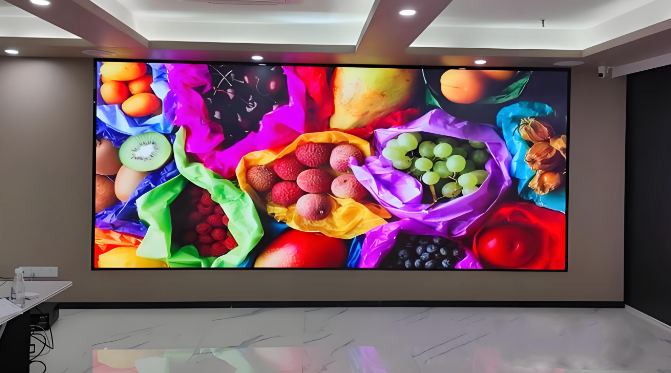
Over time, LED screens are prone to dust accumulation or contamination, which affects display performance. Regular professional cleaning can prevent image blurring and color distortion. Additionally, carefully inspecting connection cables and power sources helps ensure stable operation.
6.Choosing professional display driver software
Using professional display driver software allows users to better control various parameters of LED screens. Users can monitor screen performance in real time and make precise adjustments to color and brightness. Modern driver software often supports remote network control, making management and maintenance more efficient.
7.Proper adjustment of brightness and contrast
Brightness and contrast directly affect the clarity and detail of LED screen images. Appropriate contrast settings can enhance the three-dimensional effect, while proper brightness adjustments can improve image depth. For different usage scenarios, brightness and contrast should be flexibly adjusted based on ambient light conditions to achieve the best visual effect.
8.Enhanced image processing technology
Modern display enhancement technologies, such as HDR, noise reduction algorithms, and motion compensation, can optimize image clarity and detail. These technologies effectively reduce image distortion, improve the smoothness of dynamic content, and enhance overall display quality.
9.Reasonable color calibration
Color calibration is a critical step in improving LED screen image quality. Calibration software can adjust colors to ensure the displayed colors match the original ones, preventing color shifts and ensuring natural, true-to-life visuals. Regular color calibration helps maintain consistent color performance over time.
What are some “black technologies” to further enhance LED display image quality?
In the era of 5G and 8K, ultra-high-definition large-screen LED displays are becoming the trend. To deliver a high-definition and realistic viewing experience, improving display quality—especially image quality with more and better pixels—is essential. Future innovations in LED screens will focus on three main areas: image quality, appearance, and interactive convenience. Smaller pixel pitch in LED displays leads to higher resolution and clearer images. However, reducing pixel pitch has its limitations, and further breakthroughs face significant challenges. Therefore, improving image quality requires alternative approaches, and some manufacturers have developed innovative technologies for this purpose.
1.Picture Quality Engine Technology
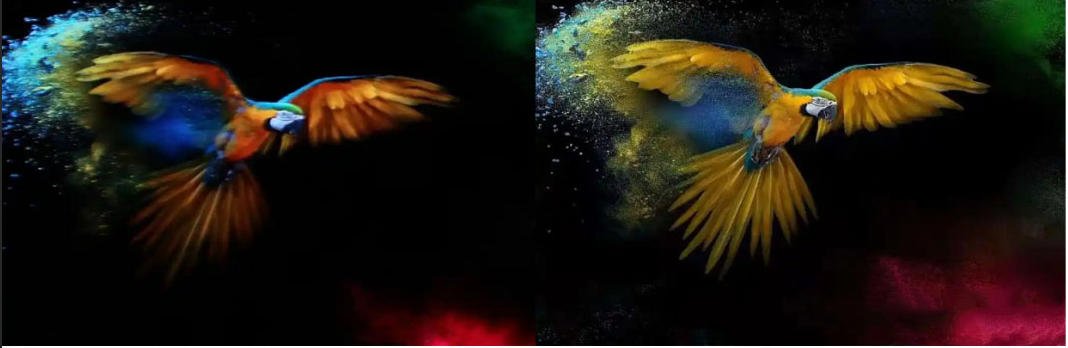
Some control system manufacturers have introduced picture quality engine technology, which enhances LED screen image quality through control systems. This technology essentially functions as a calibration method, addressing three key factors affecting image quality: insufficient grayscale levels, grayscale inaccuracies, and color distortions. It improves grayscale performance by increasing grayscale levels, correcting grayscale deviations, and fine-tuning grayscale calibration. Combined with intelligent color management, it controls the display’s color gamut and adjusts it for better color reproduction.
2.Virtual Pixel Technology for Enhanced Image Quality
Virtual pixel technology can multiply the equivalent pixel count of an LED screen without increasing hardware costs. This is achieved by arranging modules in a 2 red, 1 green, 1 blue pattern and reusing one pixel point to achieve the same display effect. Virtual pixel technology improves screen performance and enhances visual quality under the same conditions. However, due to various reasons, it has not been widely adopted in the LED screen industry.
3.QCOB Technology for Improved Image Quality
Some manufacturers have introduced QCOB technology, which enhances image quality by upgrading the light source from point to surface. QCOB uses the optimal panel process for Mini LED micro-pitch displays, transforming “point light sources” into “surface light sources.” Surface light emits near-parallel light, similar to sunlight, fundamentally addressing issues like light decay and glare associated with traditional point light sources. With a high color gamut coverage, QCOB technology ensures smoother color transitions, better contrast, and richer details, delivering vivid and realistic images and videos across different brightness levels.
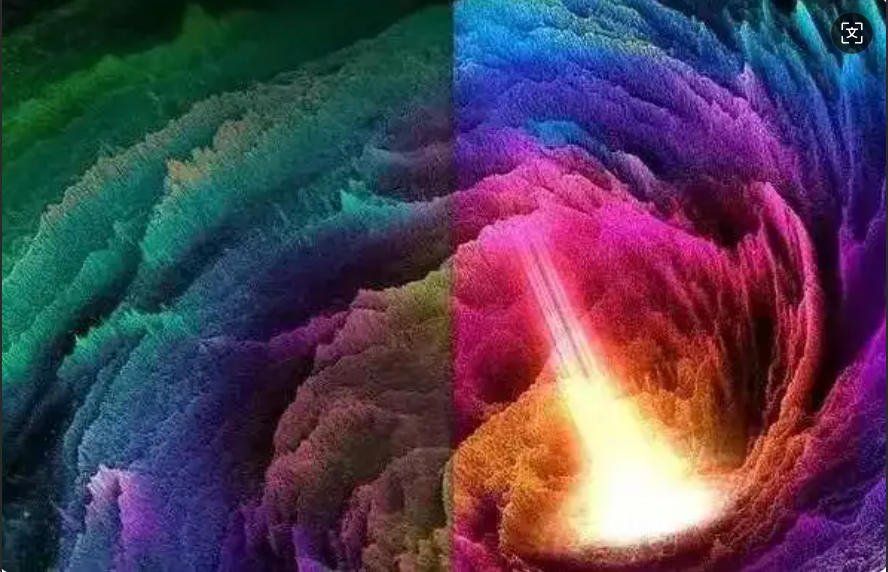
In the context of 5G and 8K, LED displays serve as intelligent interactive terminals, offering large-screen displays, human-screen interaction, and information visualization. They are widely used in malls, airports, train stations, and landmark buildings. To remain competitive in the display industry, LED screens must prioritize high-quality image performance, as superior image quality will undoubtedly attract more users.